FORUM BIOPHYSICS 2026
FORUM 2026
Biophysics
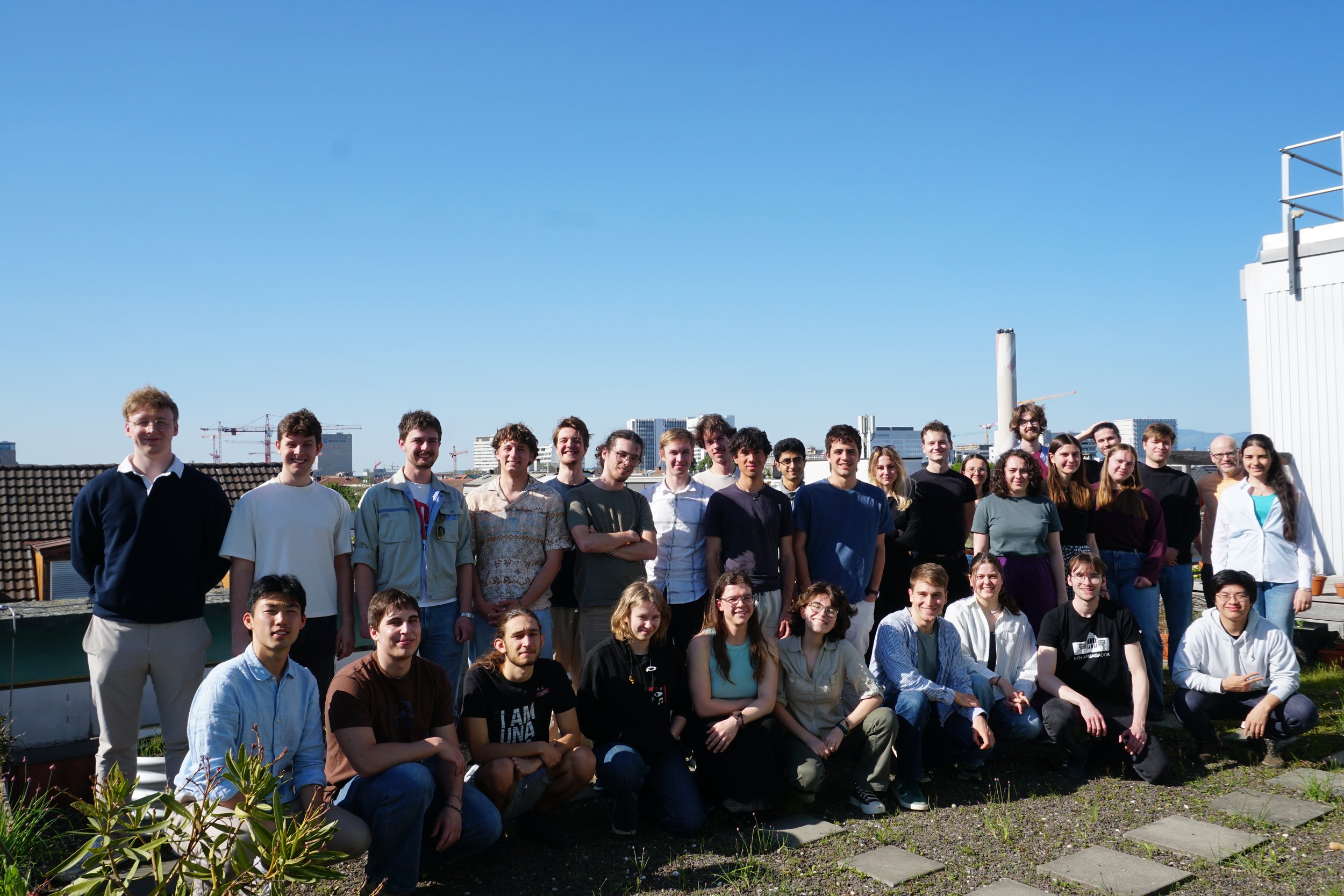
From molecules to medical technologies, this spring's Young Physicists Forum immersed us in the fascinating world of biophysics. Over three days, we heard from leading researchers and industry representatives who demonstrated how physical principles are shaping our understanding of living systems, while also enjoying the opportunity to exchange ideas with fellow students from across Switzerland.
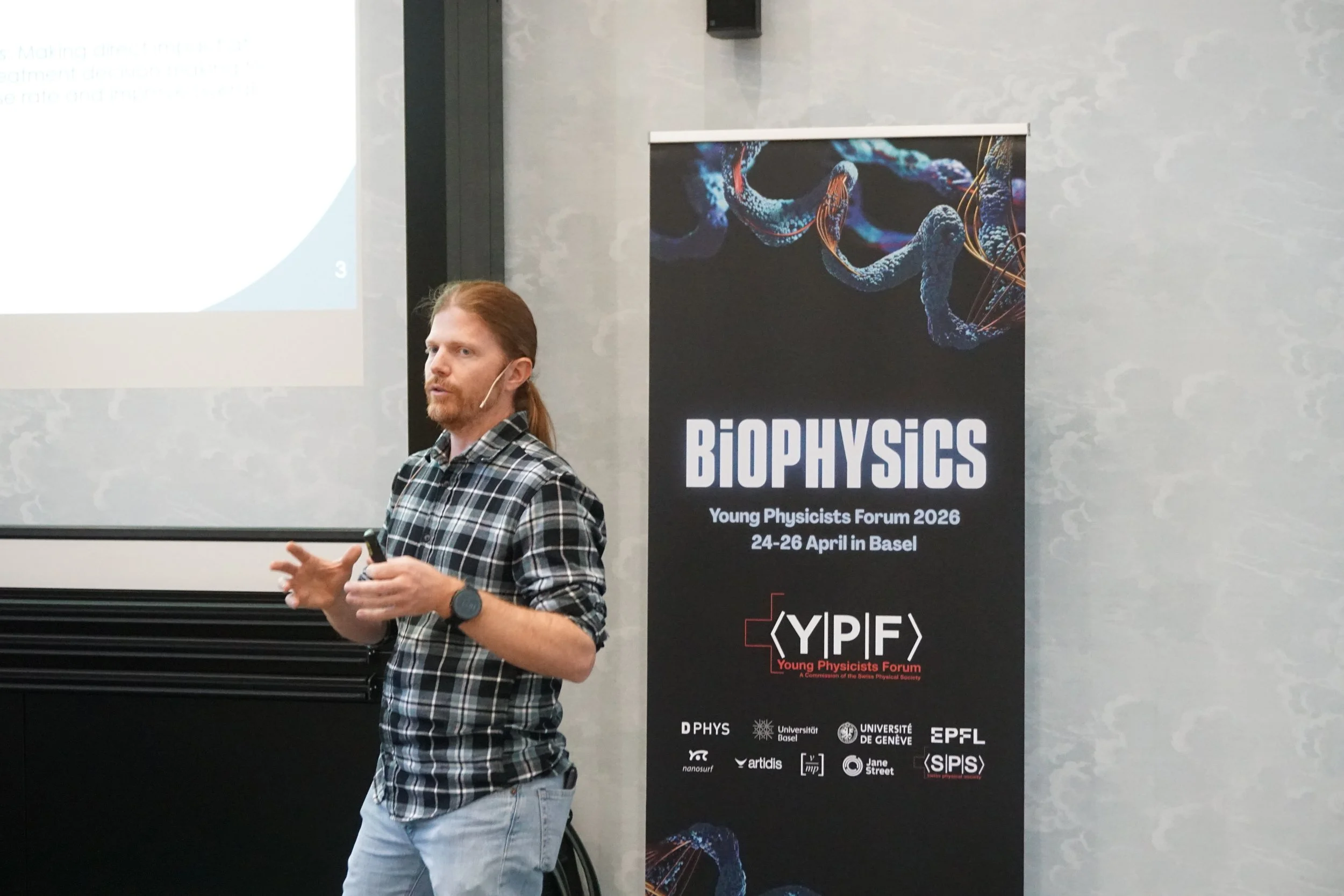
We started on Friday afternoon at the Biozentrum Basel with Professor Rahi, who introduced us to temporal computation in biological processes. Through the example of DNA damage checkpoints, we explored how cells balance the need to react quickly against the risks associated with making premature decisions. Next, Professor Thomas Michaels guided us through the physics of protein phase transitions, explaining how proteins can self-assemble into amyloid fibrils linked to diseases such as Alzheimer's and Parkinson's. Combining physical models with experiments, his group seeks to understand—and ultimately prevent—these aggregation processes.
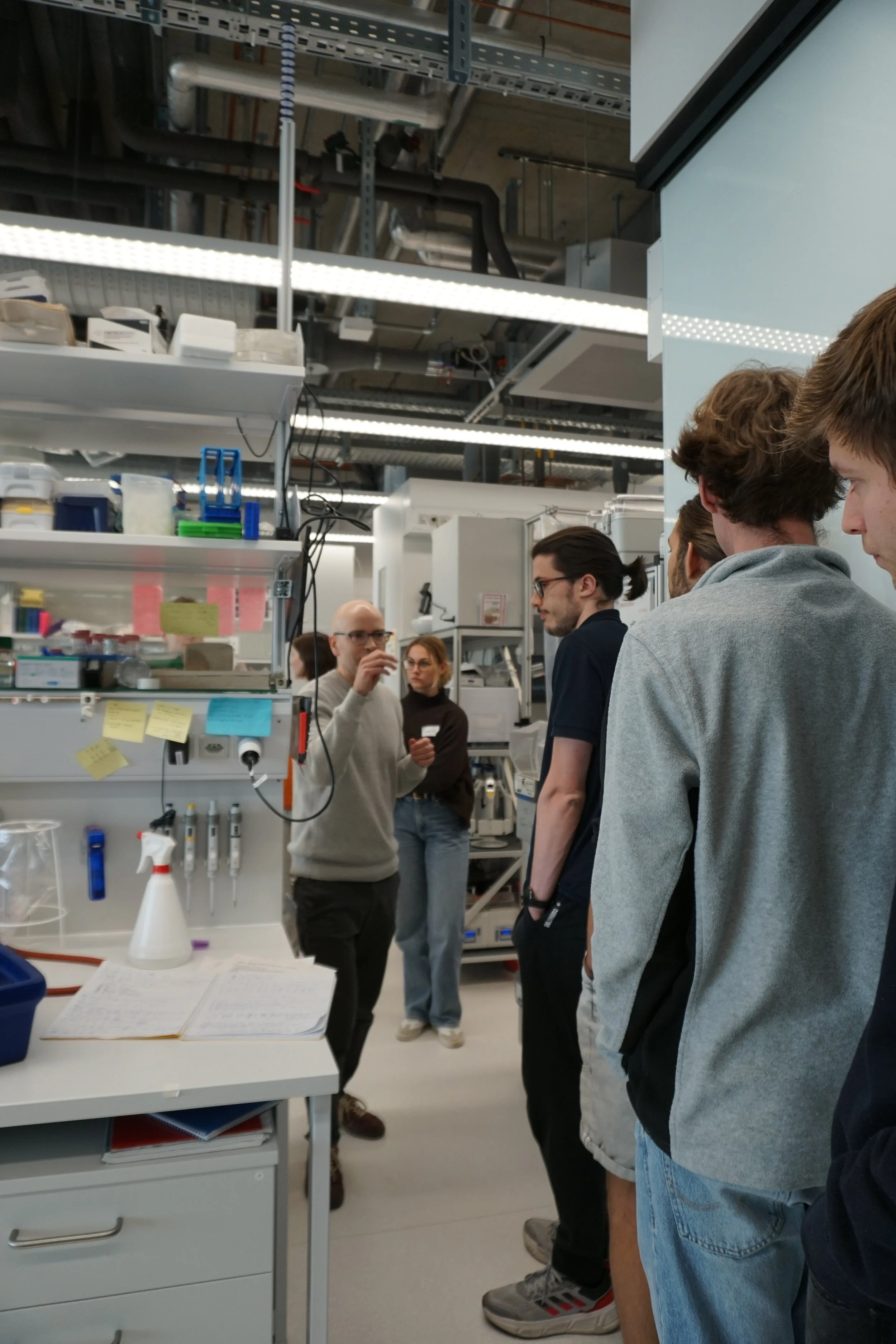
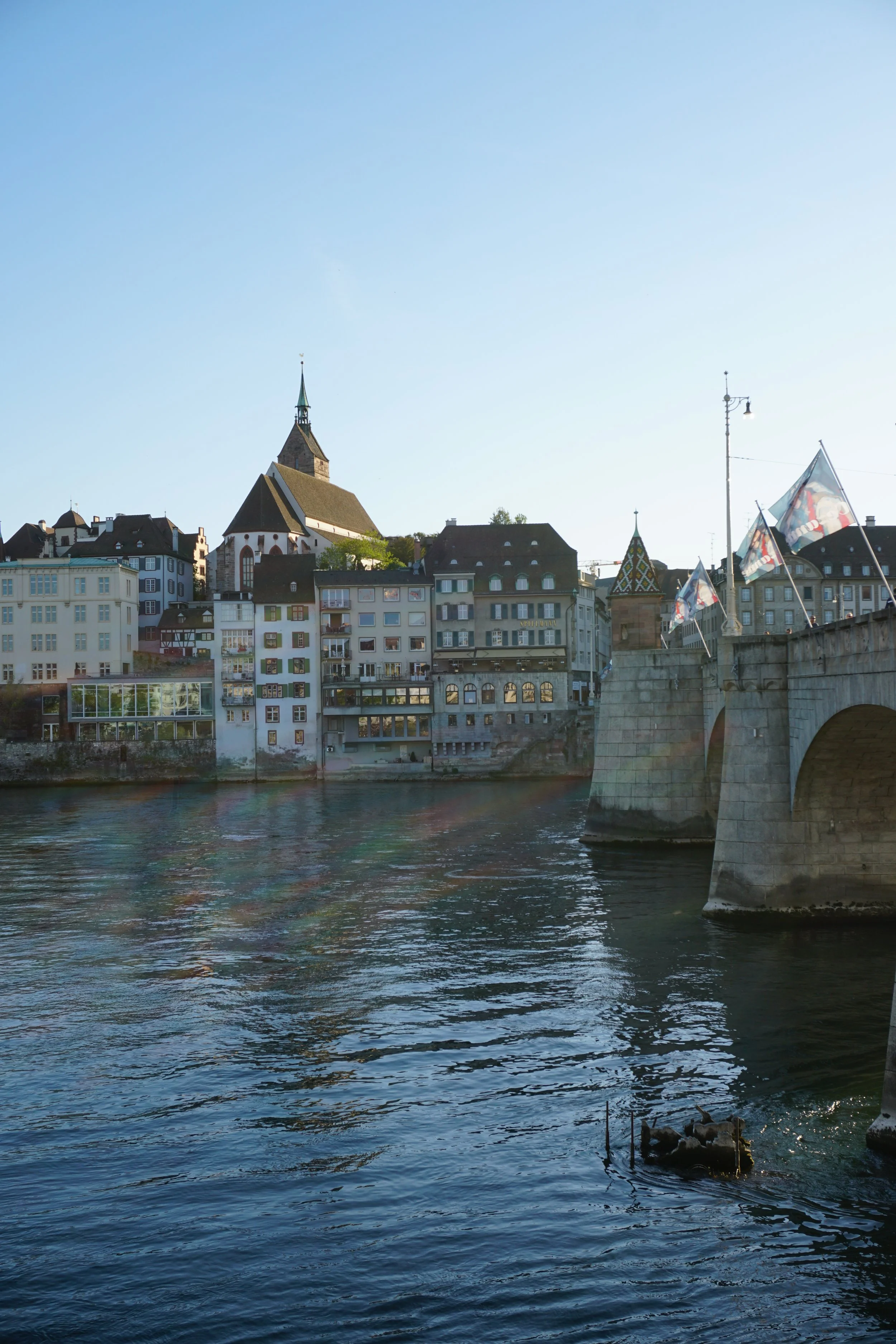
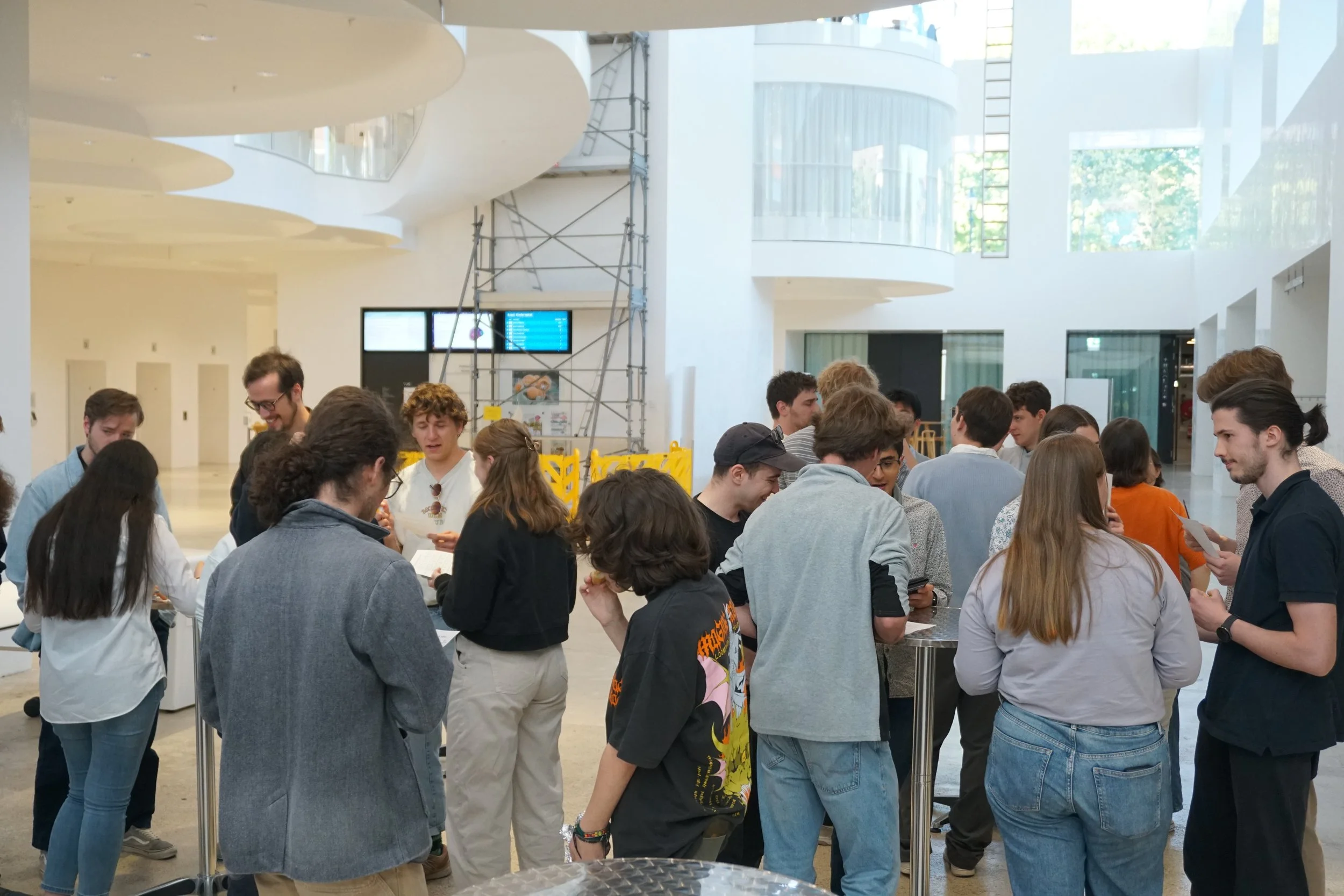
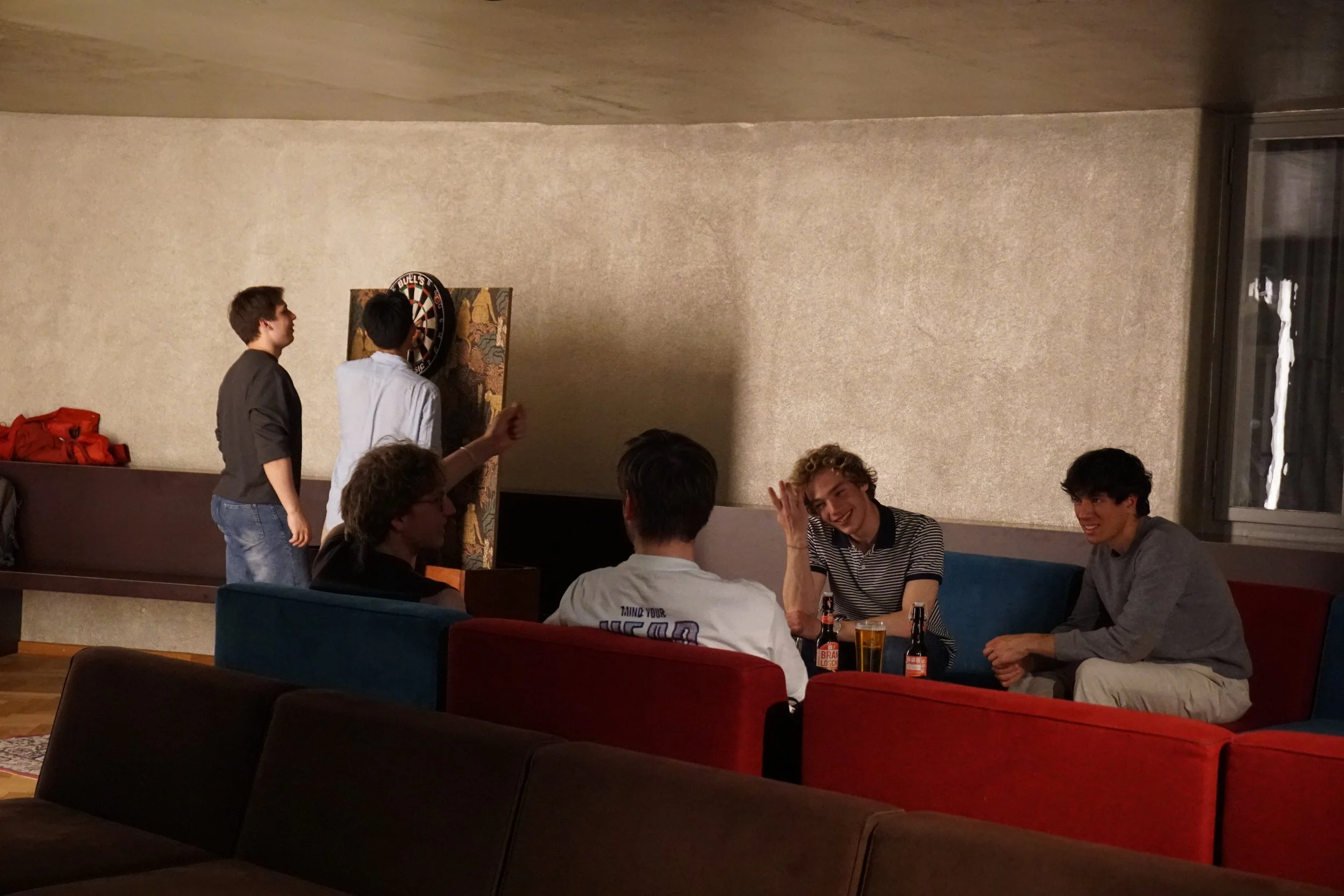
The afternoon continued with Dr. Philipp Oertle, who introduced us to the emerging field of cancer mechanobiology. His presentation showed how atomic force microscopy can distinguish malignant from healthy tissue by probing the mechanical properties of individual cells. We then heard from Hans of Nanosurf, who demonstrated the impressive versatility of atomic force microscopy, from imaging surfaces with nanometre precision to applications in nanoprinting and even the first AFM ever sent to Mars. To conclude the day, we explored several of the Biozentrum's cutting-edge facilities, including laboratories dedicated to atomic force microscopy, nuclear magnetic resonance, cryo-electron microscopy and tomography, and fluorescence microscopy, giving us a firsthand look at the technologies driving modern biological research. Afterwards, participants settled into the Basel Youth Hostel before gathering for an evening in the city and getting to know one another beyond the lecture hall.
We returned with fresh enthusiasm on Saturday morning to hear from Professor Lim, who explored the remarkable transport mechanisms regulating access to the cell nucleus. His research on the nuclear pore complex revealed how intrinsically disordered proteins and transport molecules cooperate to create an exceptionally selective gateway that viruses have even evolved to exploit. Our student speaker, Adrien Moens, then introduced us to the intriguing possibility that quantum effects within cryptochrome proteins enable certain animals to sense the Earth's magnetic field.
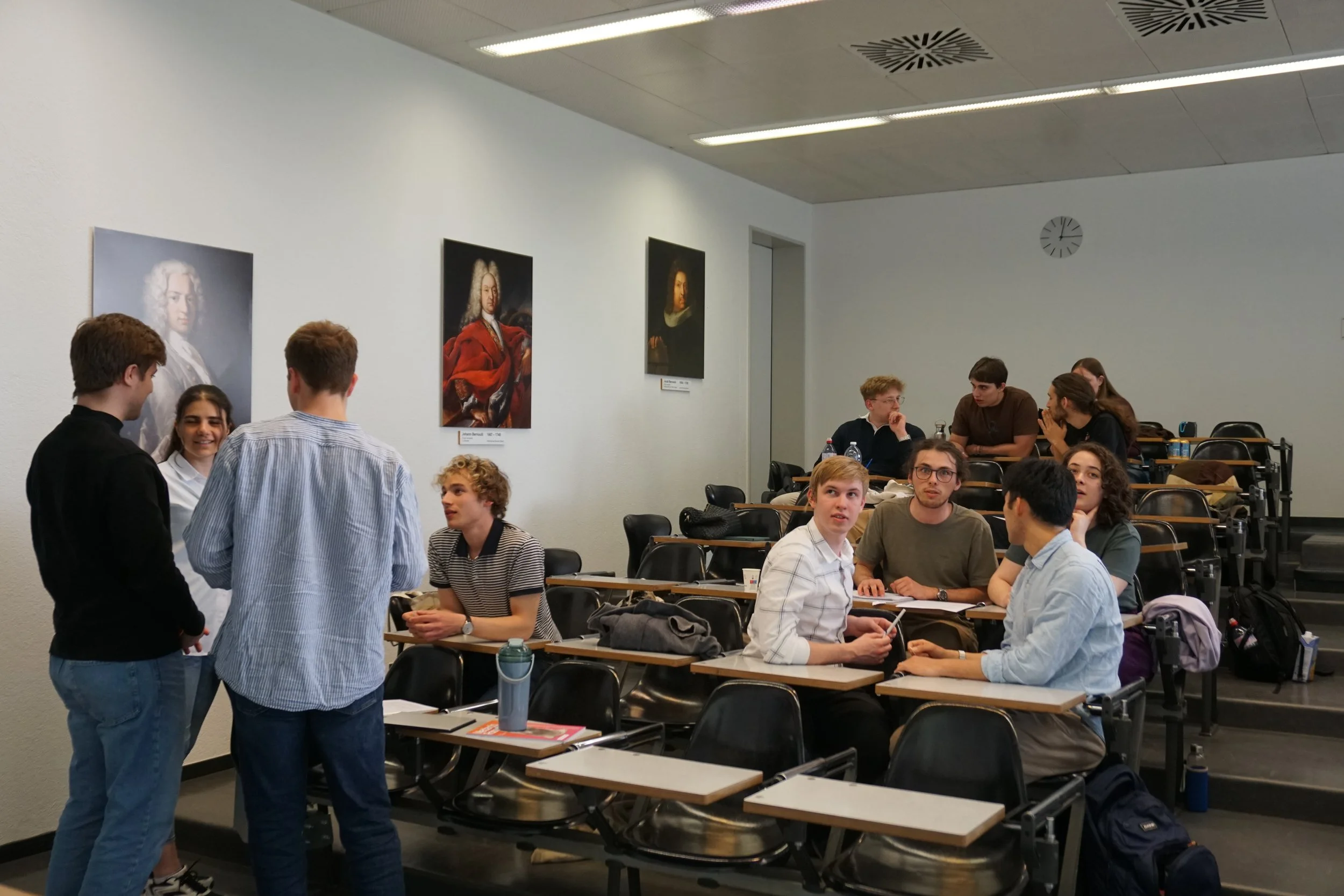
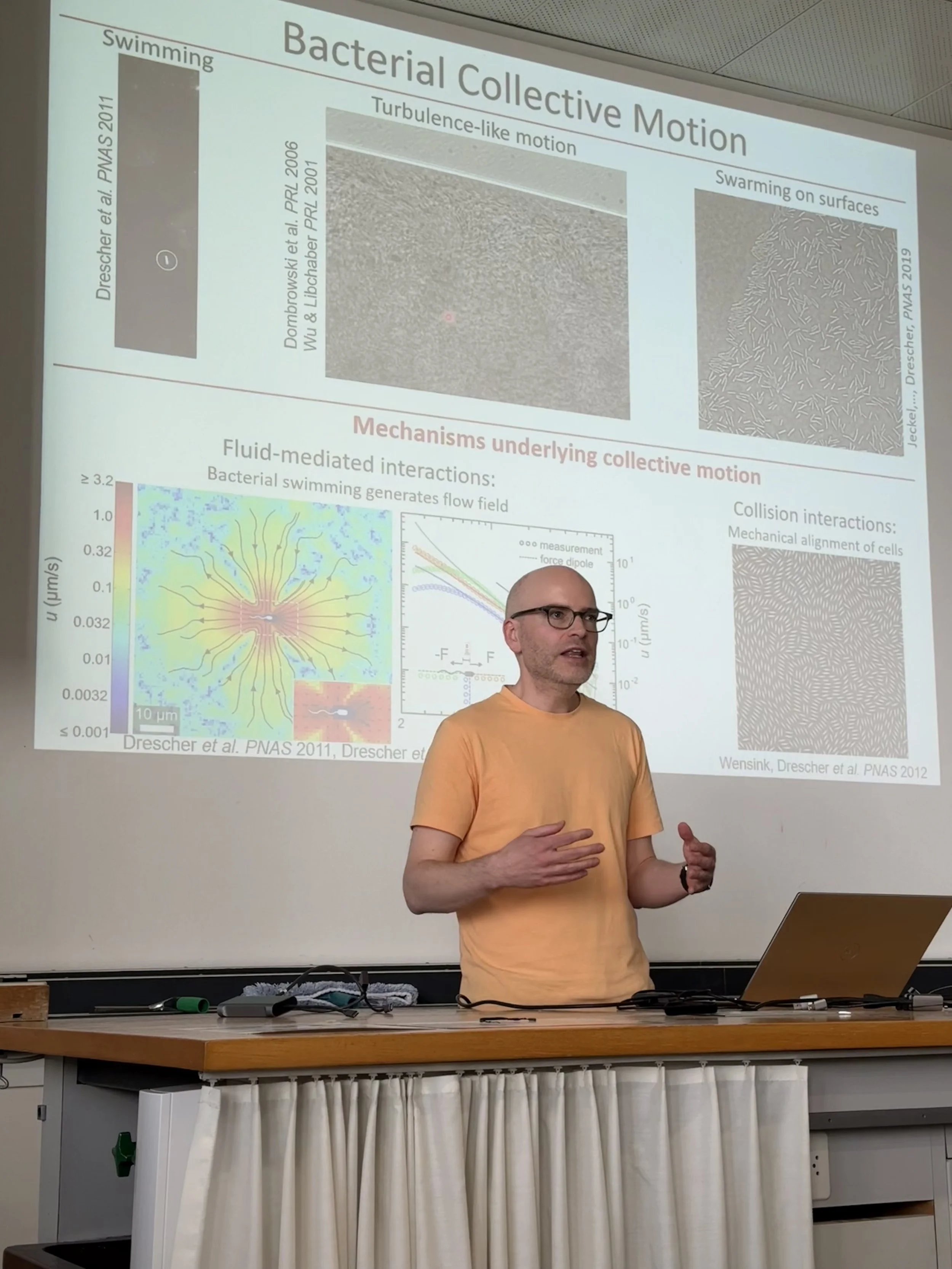
The afternoon began with Professor Paolo De Los Rios, who explained how molecular chaperones actively assist proteins in folding correctly and can even reverse harmful aggregation by exerting mechanical forces. Professor Knut Drescher then shifted our attention to bacterial communities, demonstrating how biofilms emerge from the collective behaviour of thousands of cells and why understanding these dynamics is crucial in the fight against antibiotic resistance. Alongside the fascinating science, the discussions about academic careers, interdisciplinary research and life in the laboratory proved just as inspiring for many of the students.
On the final day of the forum, Professor Andreas Hierlemann showed how microelectronics can be interfaced directly with living neurons, enabling researchers to monitor and stimulate neural networks with unprecedented spatial resolution. Finally, Professor Lijing Xin concluded the weekend with an introduction to magnetic resonance spectroscopy, demonstrating how advanced MRI techniques can reveal the brain's chemical composition and provide valuable insights into neurological disorders, cancer diagnosis and treatment monitoring.
Looking back on the weekend, we are grateful to all our speakers for sharing not only their scientific expertise but also their enthusiasm for research. We also thank all the participants for contributing to the engaging discussions and wonderful atmosphere throughout the forum. Whether learning about protein folding, bacterial communities, quantum biology or state-of-the-art biomedical technologies, the weekend perfectly illustrated the breadth of modern biophysics. We are already looking forward to the next Young Physicists Forum!
Your YPF team