
Prof. Sahand Jamal Rahi
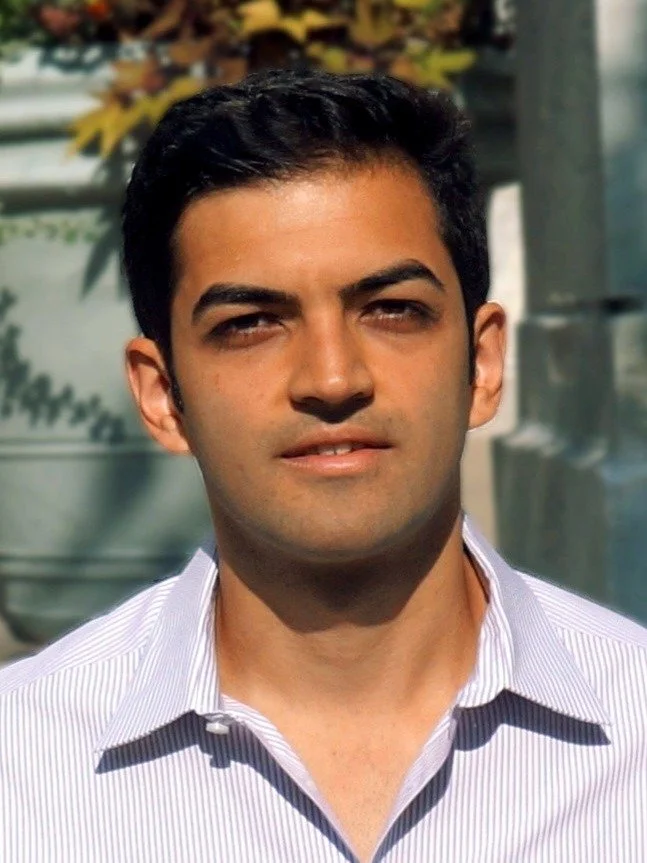
Assistant Professor
Institute of Physics EPFL
Current research:
Head of the Laboratory of the Physics of Biological SystemsSahand Jamal Rahi began his academic journey at MIT, where he completed his PhD in physics focusing on Casimir forces and quantum fluctuations. He later moved to The Rockefeller University as a postdoctoral fellow to transition into the field of biophysics and systems biology.
Since 2018, he has been leading the Laboratory of the Physics of Biological Systems at EPFL in Lausanne. His group utilizes a combination of theoretical physics, synthetic biology, and microfluidics to study how biological organisms process information and evolve.
Prof. Thomas Michaels
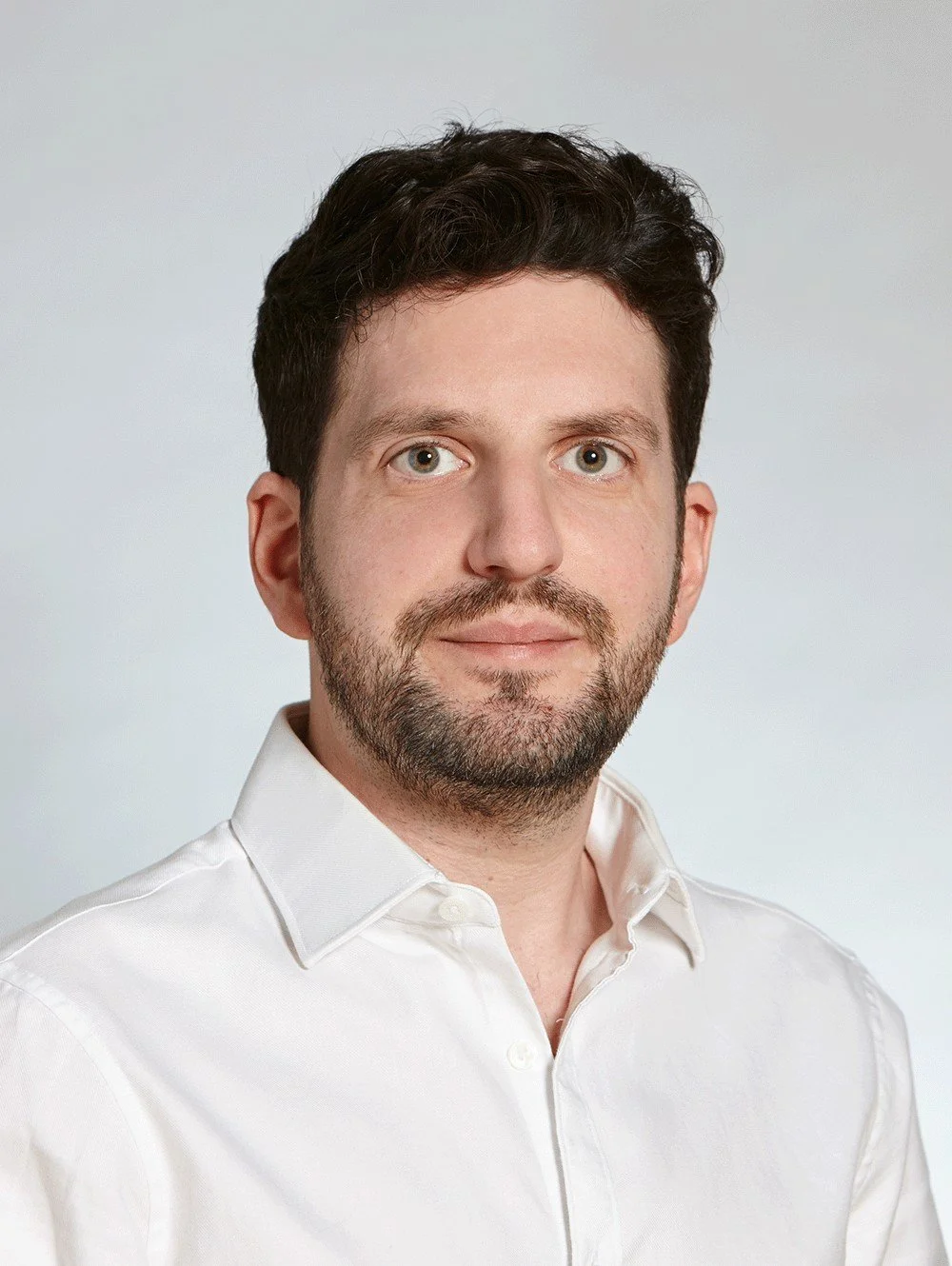
Thomas Michaels began his academic career at ETH Zurich, where he completed his undergraduate and master's degrees in physics. He then moved to the University of Cambridge for his PhD, where he specialized in the physical chemistry of protein folding and aggregation.
Following postdoctoral research at Harvard University in the Paulson School of Engineering and Applied Sciences, he returned to ETH Zurich in 2019 to lead the Biological Soft Matter group. His research group focuses on using the principles of soft matter physics and scaling theory to understand the self-assembly of biological molecules.
Prof. Roderick Lim
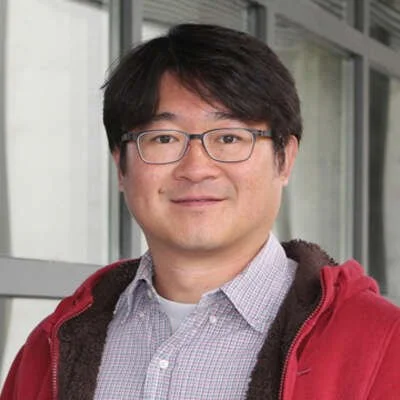
Associate Professor
Biozentrum University of Basel and Swiss Nanoscience Institute
Current research:
Head of the Research Group on NanobiologyRoderick Lim studied physics in North Carolina before obtaining his PhD at the National University of Singapore. He continued his research as a postdoctoral scientist at the Biozentrum in Basel and received the Pierre-Gilles de Gennes Prize in 2008. In 2009 he was appointed as Argovia Professor and since 2014 he holds the professorship for nanobiology.
His research focuses on selective transport control and mechanobiology, aiming to contribute to cancer treatment.
Prof. Paolo De Los Rio
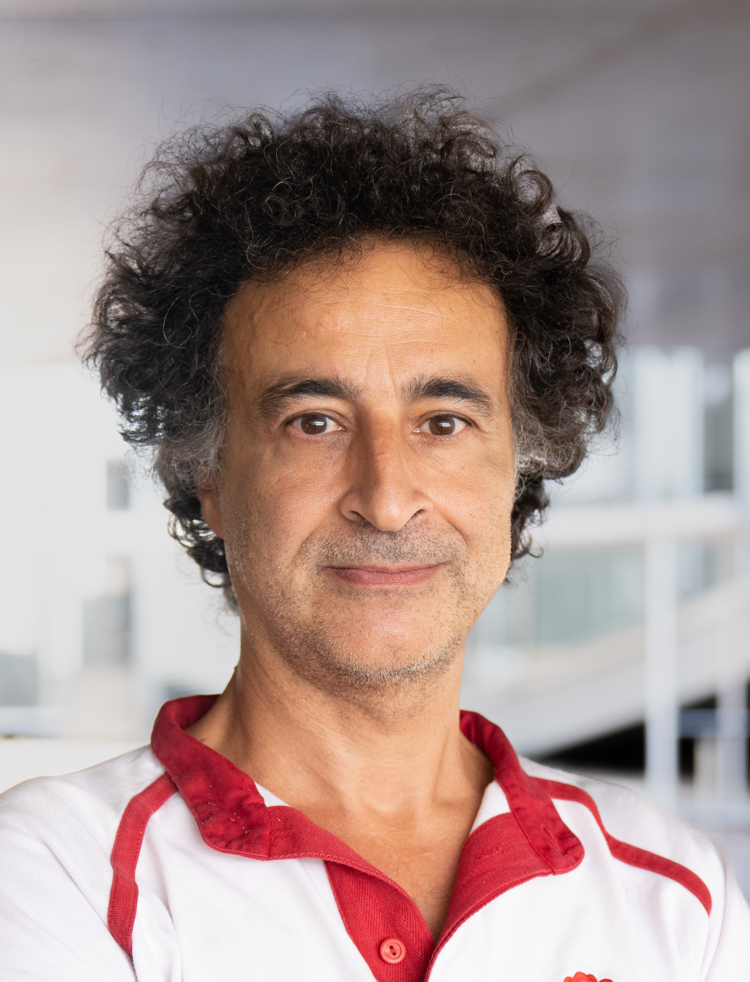
Associate Professor
Institute of Theoretical Physics of EPFL
Current research:
Head of the Laboratory of statistical BiophysicsPaulo de los Rios began his academic training at the University of Trieste, where he earned his PhD in physics focusing on the statistical physics of disordered systems. He subsequently held several research positions, including a postdoctoral fellowship at the Max Planck Institute for the Physics of Complex Systems.
In 2003, he joined EPFL in Lausanne, where he established the Laboratory of Statistical Biophysics. His research group applies the tools of theoretical physics and statistical mechanics to understand the complex behavior of biological macromolecules.
Prof. Knut Drescher
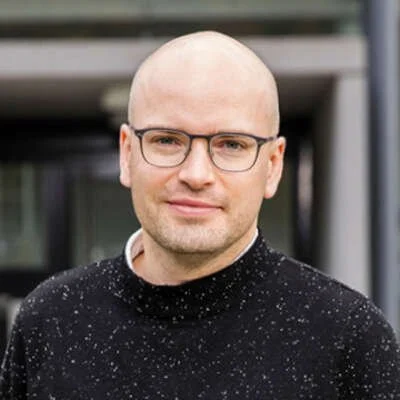
Associate Professor
Biozentrum University of Basel
Current research:
Head of the Research Group on Physical Mechanisms in Bacterial Multicellular DevelopmentKnut Drescher obtained a Master of Physics 1st class from the University of Oxford. He proceeded with a PhD in biophysics at the University of Cambridge in the Goldstein Lab.
After a postdoctoral position in molecular microbiology at Princeton University, he lead a research group at the Max Planck Institute for Terrestrial Microbiology from 2014 to 2021. He was appointed professor in biophysics from 2015 to 2021 at the Philipps-Universität Marburg. Since 2021 he has been an associate professor at the Biozentrum in Basel.
His group’s research explores processes that determine the dynamics of bacteria in communities.
Prof. Andreas Hierlemann
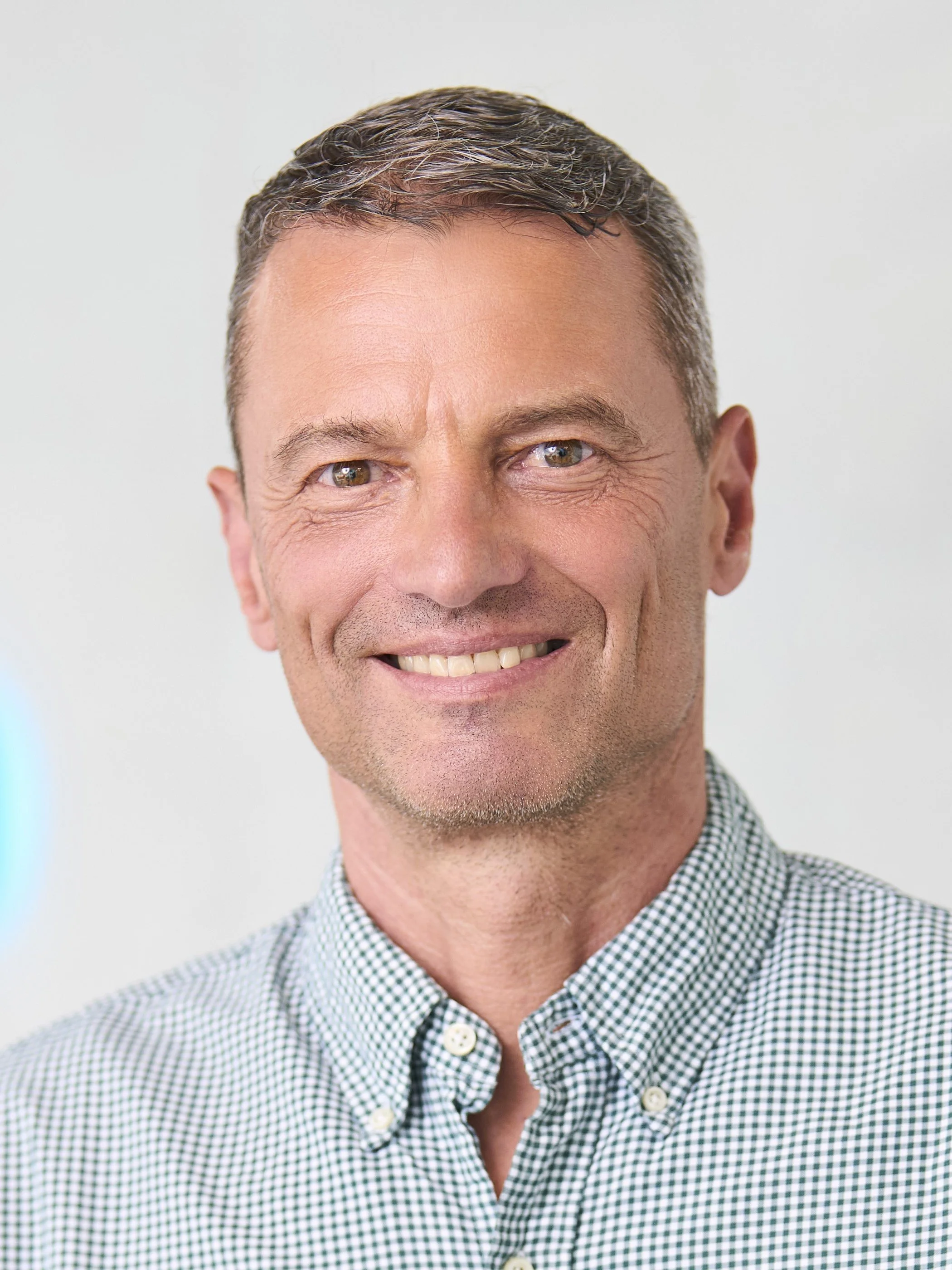
Full Professor
Department of Biosystems Science and Engineering ETH Zurich
Current research:
Head of the Bio Engineering LaboratoryAndreas Hierlemann studied chemistry at the Universität Tübingen and received his PhD on detection of organic volatiles. He held postdoctoral positions at Texas A&M University and at Sandia National Laboratories. From 1999-2004 he led the Physical Electronics Laboratory at ETH Zurich, was named assistant professor for microsensors in 2004, and since 2008 he has been a full professor at the BSSE.
Prof. Hierlemann investigates biolelectronic interfacing and his group’s research spans CMOS microsystems, microfluidics, and neuroscience.
Prof. Lijing Xin

Assistant Professor
Institute of Physics and Center for Biomedical Imaging EPFL
Current research:
Head of the Metabolic Magnetic Resonance Spectroscopy GroupLijing Xin began her work in magnetic resonance imaging during her master’s studies, developing MR instrumentation that laid the foundation for her research career. She completed her PhD in physics at EPFL in 2010, where she developed novel 1H and 13C magnetic resonance spectroscopy methods and RF coils for high-field preclinical scanners.
She is currently an Assistant Professor at the Institute of Physics and a research staff scientist at the Center for Biomedical Imaging at EPFL. Her research focuses on advancing magnetic resonance spectroscopy and imaging methods to better understand brain function and the pathophysiology of neurological diseases.
In order to keep up to date with information concerning future Forums, please subscribe to our Newsletter here.